
Tree Management for Schools: A Complete Guide to Tree Surveys, Risk and Responsible Management
Practical guidance for schools, academies and educational estates on tree surveys, risk management, inspection frequency, record keeping, development and long term tree care.
Ecovo
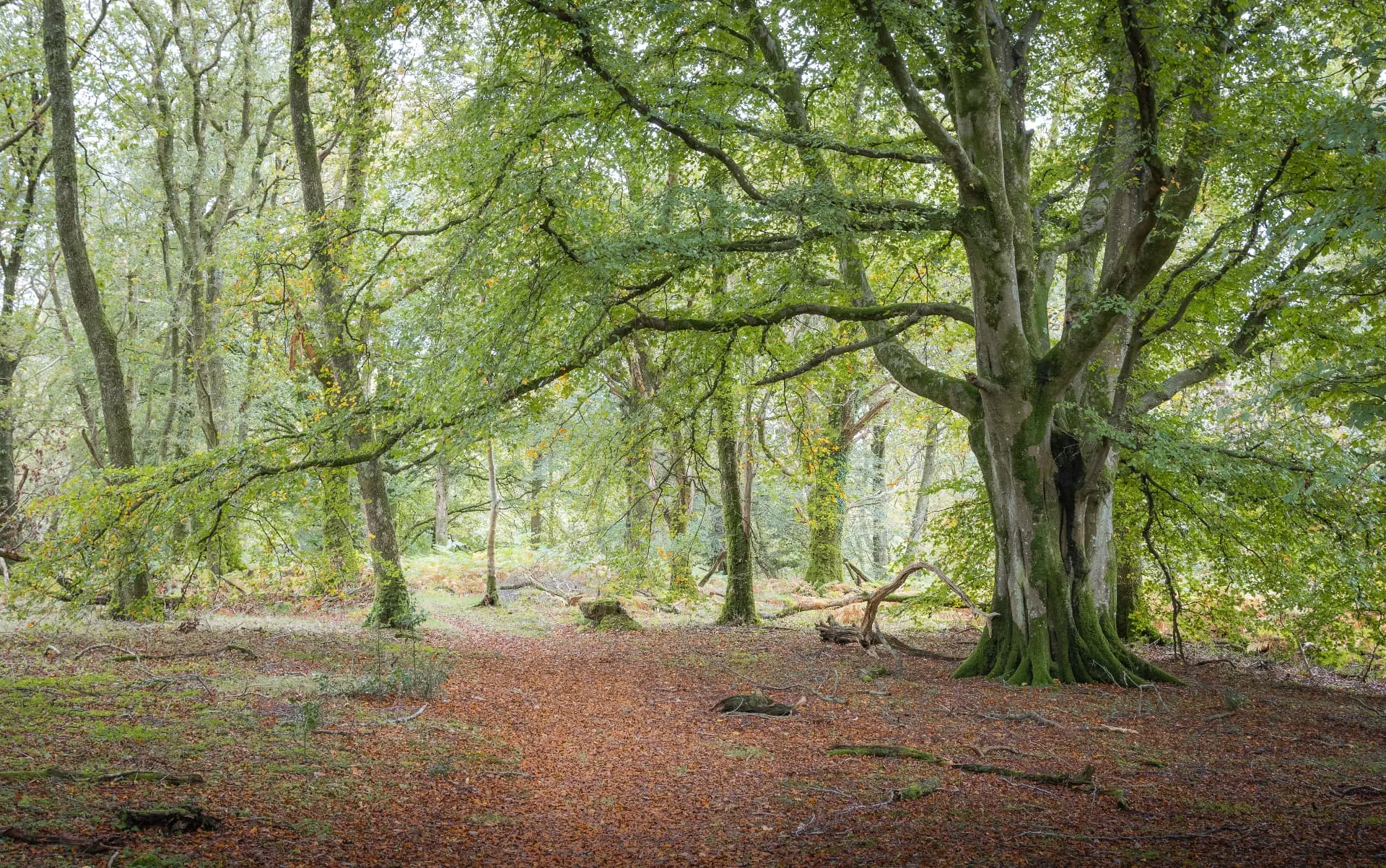
Trees are an important part of many school environments. They provide shade, support wildlife, contribute to attractive green spaces and create valuable opportunities for outdoor learning.
They are also living structures that change over time. Branches can die, defects can develop, trees can be affected by storms and construction activity, and the way an area around a tree is used can change.
Schools therefore need an appropriate system for understanding their tree stock, identifying significant concerns and managing trees over the long term.
Good tree management does not mean trying to eliminate every possible risk or removing trees simply because they contain defects. It means making informed, proportionate decisions that consider tree condition, site use, risk and the benefits that trees provide.
This guide explains what schools should know about tree inspections, tree risk management, routine monitoring, record keeping, development, protected trees and long term planning.
What Are a School’s Responsibilities for Its Trees?
Schools with trees on their sites have responsibilities for managing foreseeable risks associated with them.
Department for Education guidance states that schools with trees should undertake routine inspections reflecting the level of risk and following potentially damaging activities or weather. It also emphasises clearly defined responsibilities, appropriate action, monitoring and the use of competent people where necessary.
This does not mean that every tree must be inspected at the same frequency or that every defect requires intervention.
A reasonable tree management system will usually involve:
- Understanding the tree population across the site
- Having an appropriate inspection system
- Recording significant findings
- Prioritising necessary action
- Completing recommended management within appropriate timescales
- Responding to significant changes or incidents
- Establishing appropriate future inspection periods
- Maintaining suitable records
The objective is a sensible and proportionate system appropriate to the individual school.
Does a school legally need a tree survey?
There is no single statutory rule requiring every school to commission the same type of professional tree survey at a fixed interval.
However, schools have responsibilities for managing risks associated with trees, and current DfE guidance specifically advises routine tree inspections reflecting the level of risk and following potentially damaging activities or weather.
A professional tree survey and health assessment can form an important part of establishing and maintaining that management system.
What Does Good School Tree Management Look Like?
Good tree management should be an ongoing process rather than something that happens only when a branch fails or somebody becomes concerned about a tree.
- Survey
- Prioritise
- Manage
- Record
- Budget
- Reinspect
Survey
Understand the tree stock and identify significant features or concerns.
Prioritise
Separate recommendations according to their importance and appropriate timescale.
Manage
Undertake necessary works or further investigations.
Record
Keep a record of inspections, recommendations and completed actions.
Budget
Plan future expenditure rather than relying solely on reactive tree work.
Reinspect
Review the trees at an appropriate interval and update the management plan.
How Often Should School Trees Be Inspected?
There is no appropriate universal inspection interval for every school or every tree.
Inspection frequency should reflect the circumstances of the site and the findings of previous assessments.
Factors that may influence the appropriate interval include:
- Tree condition
- Tree age and characteristics
- Previous findings
- Known defects
- Frequency of use around the tree
- Potential consequences of failure
- Changes to the surrounding site
- Construction or excavation
- Significant weather events
For example, a mature tree beside a heavily used playground requires different consideration from a similar tree on a remote boundary where people are rarely present.
A professional survey may also identify individual trees requiring closer monitoring while the remainder of the tree stock remains within a longer inspection cycle.
Should every school tree be reinspected at the same interval?
Not necessarily.
Inspection periods should be appropriate to the circumstances. Applying the same arbitrary interval to every tree can result in unnecessary inspections of some trees while potentially overlooking others that warrant closer monitoring.
Who Should Inspect Trees at a School?
Not every level of tree inspection requires the same expertise.
A useful school tree management system can distinguish between three levels.
Routine Observation
School staff who regularly use the site are well placed to notice obvious changes.
A Site Manager, caretaker or grounds team might notice a newly broken branch, sudden lean or fresh fungal fruiting body without needing to determine its significance.
Formal Tree Inspection
A planned tree inspection should be undertaken by someone with the competence appropriate to the level of assessment required.
For sites containing larger, mature or more complex trees, this will commonly involve an arboricultural professional. Our guide on choosing the right arboricultural consultant explains what to look for.
Detailed Investigation
Sometimes a ground level inspection identifies something that cannot be adequately assessed without further investigation.
Depending upon the concern, this could involve:
- Aerial inspection
- Decay detection equipment
- Detailed assessment of a particular union or cavity
- Root investigation
- Repeat monitoring
Further investigation should be proportionate to the question being asked rather than automatically undertaken whenever a defect is identified. Where it is warranted, a detailed technical assessment can provide the additional information required.
What Does a School Tree Survey Include?
The precise scope should reflect the school and the purpose of the survey.
For a typical tree condition and risk management survey, an arboricultural consultant will inspect the trees from ground level and record relevant information about their condition and surroundings.
An Ecovo school tree survey can include:
Tree Identification and Inventory
Individual trees or groups are given reference numbers so they can be identified within the schedule and accompanying plan.
Tree Condition
Relevant observations relating to physiological and structural condition are recorded.
Risk Considerations
The tree is considered in the context of its surroundings and how the area is used.
Management Recommendations
Where intervention or further investigation is appropriate, clear recommendations are provided with priorities and timescales.
Tree Location Plan
The plan enables school staff, contractors and future inspectors to identify individual trees and groups.
Reinspection Recommendations
Appropriate future inspection periods are established from the findings.
A useful tree survey should help a school understand what it has, what requires attention, what does not require intervention and what should happen next.
What Happens After a School Tree Survey?
Receiving the report is not the end of the process.
The survey should become a working management document.
- Survey completed
- Recommendations reviewed
- Priority actions addressed
- Planned works budgeted
- Completed actions recorded
- Specific trees monitored
- Reinspection scheduled
Schools do not necessarily need to complete every recommendation simultaneously.
Clear priorities and timescales allow urgent or important matters to be distinguished from longer term management.
This can be particularly valuable when budgets are limited.
Rather than receiving an unexpected list of works every few years, the school can gradually develop an understanding of its tree stock and likely future requirements.
How Is Tree Risk Assessed in Schools?
Tree risk is not determined simply by finding a defect.
An arboricultural assessment considers the tree, the feature of concern and the environment around it.
Three important considerations are:
The Tree
What is its condition and what features are present?
The Potential for Impact
If a branch or tree were to fail, what could it affect?
The Consequences
What could reasonably result from that impact?
This means location and occupancy matter.
Consider two trees with similar structural characteristics.
One stands beside the main playground.
The other stands on a remote boundary rarely accessed by pupils or staff.
The management response may be different because the surrounding circumstances are different.
Areas of frequent use might include:
- Playgrounds
- Entrances and exits
- Footpaths
- Outdoor seating
- Car parks
- Outdoor classrooms
- Areas immediately beside buildings
Lower occupancy areas may include some peripheral boundaries, habitat areas and restricted parts of the site.
The question is therefore not simply: “Does this tree have a defect?”
It is: “What does this feature mean for this tree, in this location and under these circumstances?”
What Common Tree Issues Should Schools Be Aware Of?
Trees naturally develop many different features throughout their lives. Some warrant investigation while others may have little significance.
Deadwood
Branches naturally die as trees grow and respond to their environment.
Deadwood can also provide valuable habitat. Whether intervention is appropriate depends on factors including its size, position and what could be affected if it fell.
Cavities and Hollowing
A cavity does not automatically mean a tree is unsafe.
Hollowing is a common feature of many older trees. Its significance needs to be considered alongside the extent and location of the feature, the remaining structure and the tree’s overall condition.
Fungal Fruiting Bodies
Fungal brackets or other fruiting bodies can sometimes indicate decay affecting roots, stems or branches.
Different fungi interact with trees differently. Identification and further assessment may therefore be appropriate before determining management.
Cracks and Splits
Fresh cracks or significant changes to existing cracks can indicate movement and warrant investigation.
Branch and Stem Unions
The way stems and branches are attached can influence their structural characteristics. Some unions may warrant monitoring or management.
Root Damage
Roots can be affected by excavation, installation of services, soil compaction, vehicle movements and changes in ground levels.
Because much of the root system is hidden below ground, damage may not immediately be apparent.
Root Plate Movement
New soil cracking, lifting or movement around the base of a tree, particularly following high winds, warrants prompt attention.
Storm Damage
Broken branches, hanging limbs and partially failed stems should be assessed, with access managed appropriately where there is an immediate concern.
Does finding a defect mean the tree needs to be removed?
No.
A cavity, fungal fruiting body, deadwood or another defect does not by itself determine the appropriate management response.
Depending upon the circumstances, management could include monitoring, pruning, further investigation, changes to access or, where justified, removal.
The feature needs to be considered in context.

What Should School Staff Look Out for Between Inspections?
School staff can play an important role because they see the site regularly.
They do not need to diagnose tree defects.
The useful question is often simply: “Has something changed?”
- A newly hanging or broken branch
- A fresh crack or split
- Sudden or significant leaning
- Soil lifting or cracking around the base
- New fungal fruiting bodies
- A recently failed branch
- Sudden or significant canopy decline
- Damage caused by vehicles or machinery
- Excavation close to a tree
- Changes in ground levels
- Significant storm damage
The important distinction is between noticing a change and diagnosing its significance.
Where something unusual or concerning is identified, appropriate arboricultural advice can then be sought.
What Should a School Do After a Storm or Significant Change?
A storm does not automatically mean every tree requires another complete professional survey.
However, current DfE guidance advises inspections following potentially damaging activities or weather.
Following significant weather, schools should be alert to obvious changes such as:
- Broken or hanging branches
- Newly leaning trees
- Fresh cracks
- Movement around the root plate
- Partially failed limbs or stems
- Trees or branches affecting buildings, paths or access routes
Where there appears to be an immediate concern, access to the affected area should be managed where reasonably practicable and appropriate professional advice sought.
Other significant changes may also warrant attention. These could include accidental vehicle impact, nearby excavation, changes in ground levels or unexpected branch failure during otherwise normal weather.
How Should Trees Around Playgrounds, Paths and Buildings Be Managed?
Trees beside heavily used parts of a school deserve particular consideration because of the number of people who may be present.
This does not mean trees beside playgrounds or buildings are inherently unsafe.
Rather, the level of occupancy forms part of the overall assessment.
Understanding site use can also create management options other than tree removal.
Depending upon the circumstances, appropriate management might involve:
- Monitoring
- Selective pruning
- Further investigation
- Moving a bench or other feature
- Managing access to a particular area
- Retaining habitat features where occupancy is low
Good management considers both the tree and the site around it.
What Should Schools Consider When Planning Work Near Trees?
Not all damage to school trees results from storms or natural processes.
Everyday estate works can have significant effects on trees, particularly where roots are disturbed.
Examples include:
- New fencing
- Trenches for utilities
- Drainage works
- Resurfacing
- New paths
- Play equipment
- Landscaping
- Changes in ground levels
- Vehicle movements
- Storage of materials
- Temporary compounds
What Should Schools Consider When Building Near Trees?
Larger development projects require more formal consideration.
Projects might include:
- New classrooms
- Extensions
- New buildings
- Car parks
- Access roads
- Major playground alterations
- Drainage infrastructure
Trees should ideally be considered before the design becomes fixed.
For planning related development, BS 5837:2012 surveys and planning advice provide recommendations for considering trees during design, demolition and construction.
Depending upon the project, arboricultural information may include:
- Tree survey
- Tree Constraints Plan
- Arboricultural Impact Assessment
- Tree Protection Plan
- Arboricultural Method Statement
Early arboricultural involvement can help the project team understand constraints, identify opportunities for tree retention and avoid preventable conflicts later.
Are Trees at Schools Protected?
Some are.
Trees may be protected by a Tree Preservation Order, commonly known as a TPO, or by their location within a Conservation Area.
Tree Preservation Orders
A TPO can protect individual trees, groups of trees or woodlands.
Subject to statutory exceptions, consent may be required before works are undertaken to protected trees. Our article on what you can and cannot do under a TPO explains this in more detail.
Conservation Areas
Trees within Conservation Areas can also receive statutory protection. For qualifying trees that are not already subject to a TPO, notice generally needs to be given to the local planning authority before certain works are undertaken, unless an exception applies.
Schools should therefore establish whether protection applies before instructing tree works. We provide tree protection and legislation advice where the position is unclear.
How Should Schools Manage Veteran Trees and Biodiversity?
Some of the features that initially concern people can also be among the characteristics that make older trees particularly valuable.
These include:
- Cavities
- Hollow stems
- Deadwood
- Decaying wood
- Broken branch stubs
- Fungal activity
These features can provide important habitats for fungi, invertebrates, birds and other wildlife.
Their ecological value does not mean genuine safety concerns should be ignored. Equally, the presence of these features does not automatically justify removing the tree.
Good management considers both risk and value.
Depending upon the circumstances, it may be possible to retain veteran trees and important habitat features through sensitive management, monitoring or management of the surrounding area. Specialist veteran tree and woodland management advice can help establish the right balance.
For schools, these trees can also provide exceptional opportunities for environmental education.
What Tree Management Records Should Schools Keep?
Tree management records do not need to become unnecessarily complicated.
Useful information may include:
- Current tree survey
- Tree location plan
- Tree schedule
- Management recommendations
- Priorities and timescales
- Records of completed tree works
- Detailed inspection reports
- Records of significant incidents or changes
- TPO and Conservation Area information where relevant
- Reinspection dates
- Relevant correspondence
Good records provide continuity.
If a Headteacher, School Business Manager or Site Manager changes, the next person responsible should be able to understand what has previously been identified, what has been completed and what needs to happen next.
How Ecovo Can Help
Practical Arboricultural Advice for Schools
Ecovo helps schools understand, manage and care for their trees with clear, evidence-based arboricultural advice.
We take a proportionate approach to tree management, considering the condition of each tree alongside its location, use of the surrounding area and the benefits it provides.
Our arboricultural consultancy services include:
- Tree condition and risk surveys
- Detailed tree assessments and management plans
- Veteran tree assessments
- BS 5837 surveys, planning and development advice
- Tree Preservation Order and Conservation Area advice
- Inspections following storms, tree failures or other significant changes
- Long-term arboricultural management and ongoing support
More Than a Tree Survey
Our aim is to give schools more than a list of tree works.
We provide clear priorities, practical recommendations and appropriate reinspection periods to help you plan ahead, manage budgets and make informed decisions about your tree stock.
Our advice combines technical arboricultural knowledge with extensive practical experience of managing trees in real-world environments.
Whether you are responsible for a single school or a wider educational estate, Ecovo can provide ongoing arboricultural support tailored to your site. You are welcome to contact Ecovo to discuss your school’s trees.